


Welcome back, reader!
It’s safe to say there won’t be a lack of Premier League and fantasy action in the coming weeks, with 10 Gameweeks over the next 45 days. Plus, plenty of Data Dribble content to make it even more fun.
If you took that well-deserved break last week, note that I published another issue of my trademark article, where I dive deep into the current Premier League meta and explain what’s been happening to help you extract the most value in FPL.
And truly understand the current landscape.
The table of contents is packed:
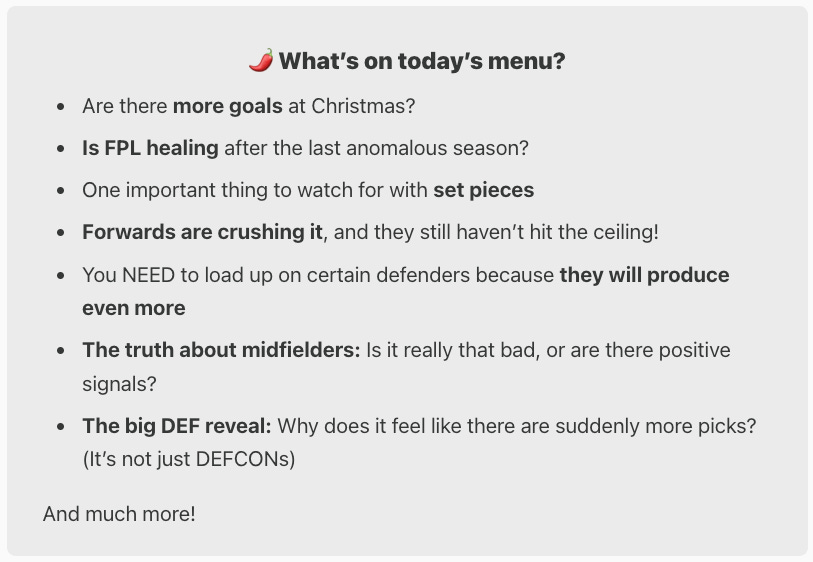
In today’s edition of the Thought Process series, we’ll return to the game-playing process, cover key news, and then apply it all in a classic “it’s team-dependent, bro” way.
Let’s do it.
What will happen to Manchester United under Mauricio Pochettino?
Michael Carrick is no longer a Manchester United manager.
As far as importance goes, it’s somewhere between a new James Bond announcement and the coming release of GTA VI. Probably closer to Bond.
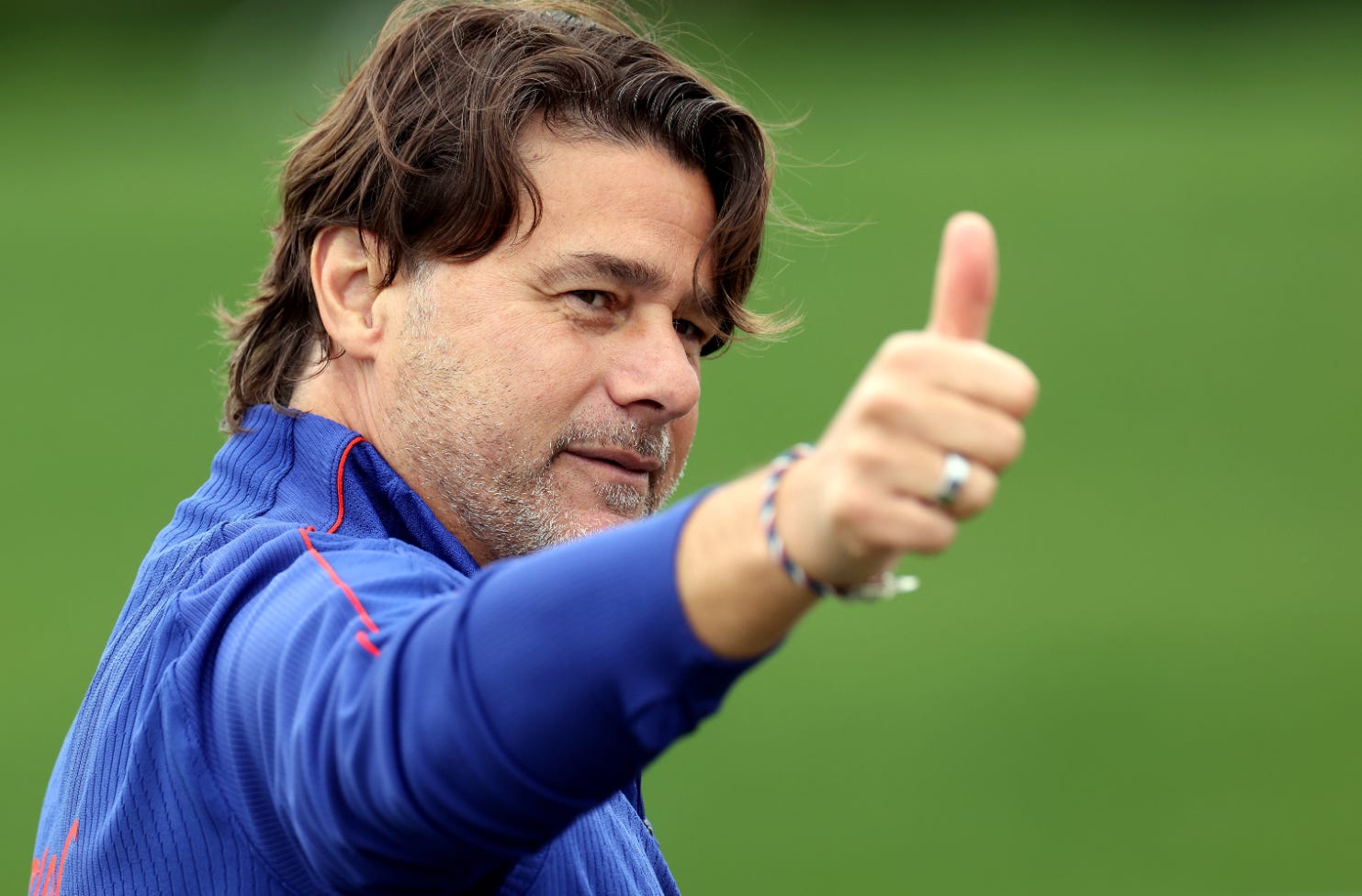
Mauricio Pochettino has been announced as his replacement, and everyone has an opinion.
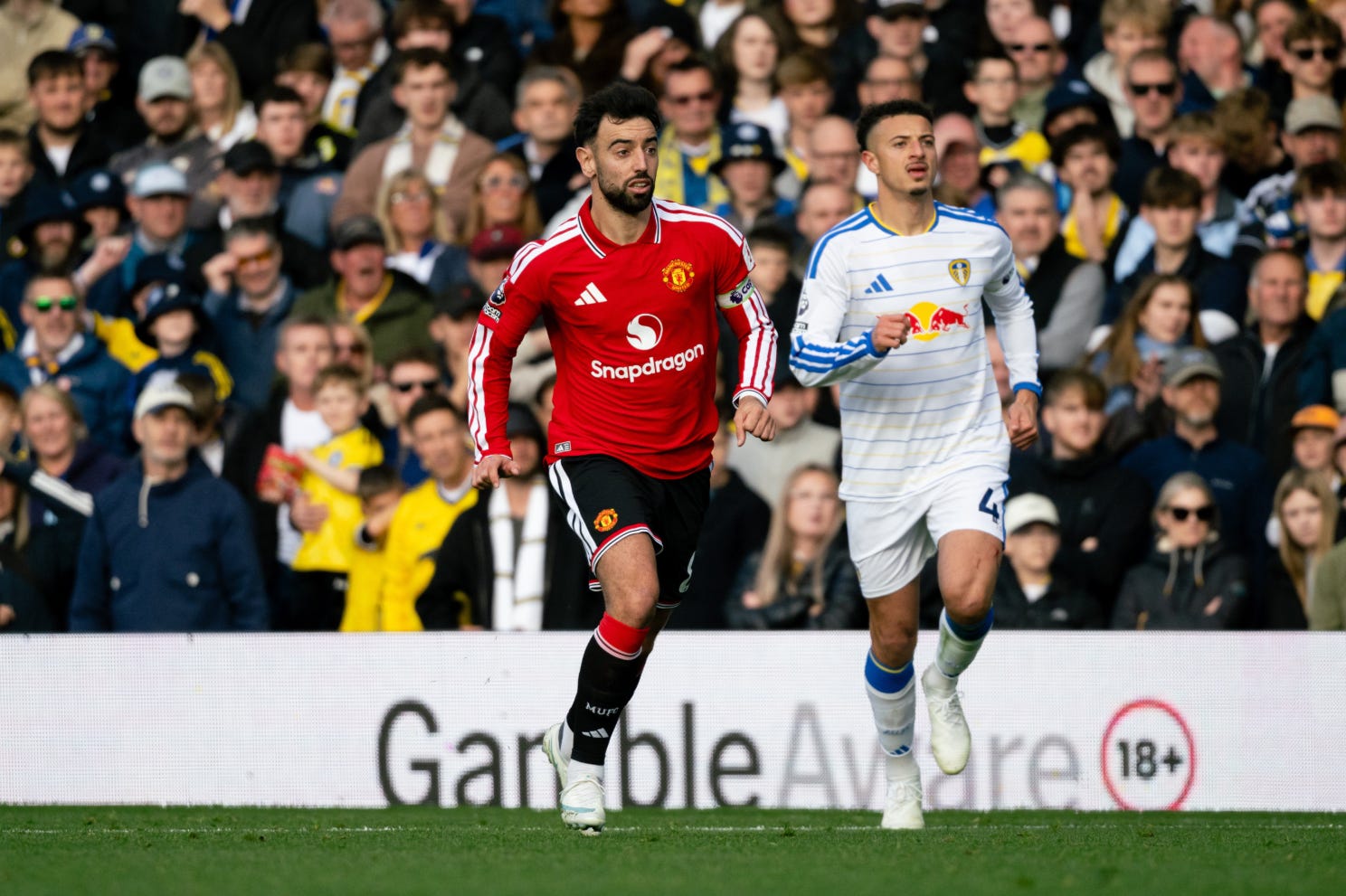
Obviously, it’s a major FPL topic now. United’s favourable fixture run is approaching, and it's a signal to monitor their best assets, including this Bruno Fernandes (£11.6m) guy who can play 90 minutes of football week after week. A nice thing to have during Christmas.
We’ve already seen a lot of Pochettino in the Premier League.
The problem is that many managers evolve over time, and much of his data is from the archaic Spurs era. The most recent we have is the 2023/24 spell at Chelsea. You know, the season when we still thought Cole Palmer (£9.8m) would be a legendary FPL pick for years to come.
So, today, we’ll look at what happened back then.
❓ But before that, let’s talk about the new manager bounce real quick.
Multiple studies have shown it’s a real phenomenon: there’s a clear uptick in results immediately after a club hires a new manager. However, the improvement is driven mainly by better defending, and those results tend to revert to the mean over time.
I discuss this on DD fairly often. It’s much easier to improve defence, and most new managers do exactly that. Firstly, they want to begin well and not get sacked shortly after arriving, as it’s not… very beneficial for their career. Plus, improving the defence is MUCH easier than implementing new ideas in the final third.
Also, there’s usually a measurable bounce even when a team endures a bad run without sacking the current manager. So it’s a chaotic, hard-to-grasp concept. For our FPL purposes, it means that Pochettino doesn’t automatically make United picks more appealing than they were. We still need to see what impact it has, with minutes and roles to monitor closely.
There are no guarantees.
Since we’re on the subject of defence, I’d put money on Poch tightening things up at the back.
There are a few reasons, but the most obvious is that United need it.
They are ranked 17th for expected goals allowed and 18th for actual goals conceded. It’s not about the volume of shots they face, but about allowing too many clear-cut chances – their 0.14 xG per shot conceded is the worst in the whole Premier League.
💡 To be more granular, they’re roughly average when defending in a settled block, but things fall apart when they need more elaborate defensive organisation: they can’t defend set pieces and struggle badly against quick transitions.
In their defensive third, they’ve had real issues defending passes into the cutback zones, which is a big problem – cutback passes are the most dangerous type, analytically speaking.
That’s where those massive chances come from.
Opponents created so many chances in United’s box and from both half-spaces. Despite employing a deeper mid-block, not pressing too intensively, and playing a lot of passes before the shot, their defence is basically having an open day every week, and strikers are getting good shots regularly.
So, there’s that.
Plus, Poch’s teams have a reputation for being, to put it mildly, not the most defensively sound.
The 2023/24 version of Chelsea were league average in xG conceded, simply because they allowed so many shots from all types of attacks. When it came to the quality of chances conceded, they had problems in many departments – counterattacks, being counter-pressed, and defending set pieces, which sounds a lot like the current United.
Before we see more, it doesn’t make sense to go near their defence in FPL. Not that anyone would think about that, given the variety of defensive options we have right now.
Their attack was far from Liverpool and City’s levels, but there were positive signs:
They regularly created big chances, with the second-highest xG per shot.
Chelsea created a lot against teams sitting deep and were dangerous on the break.
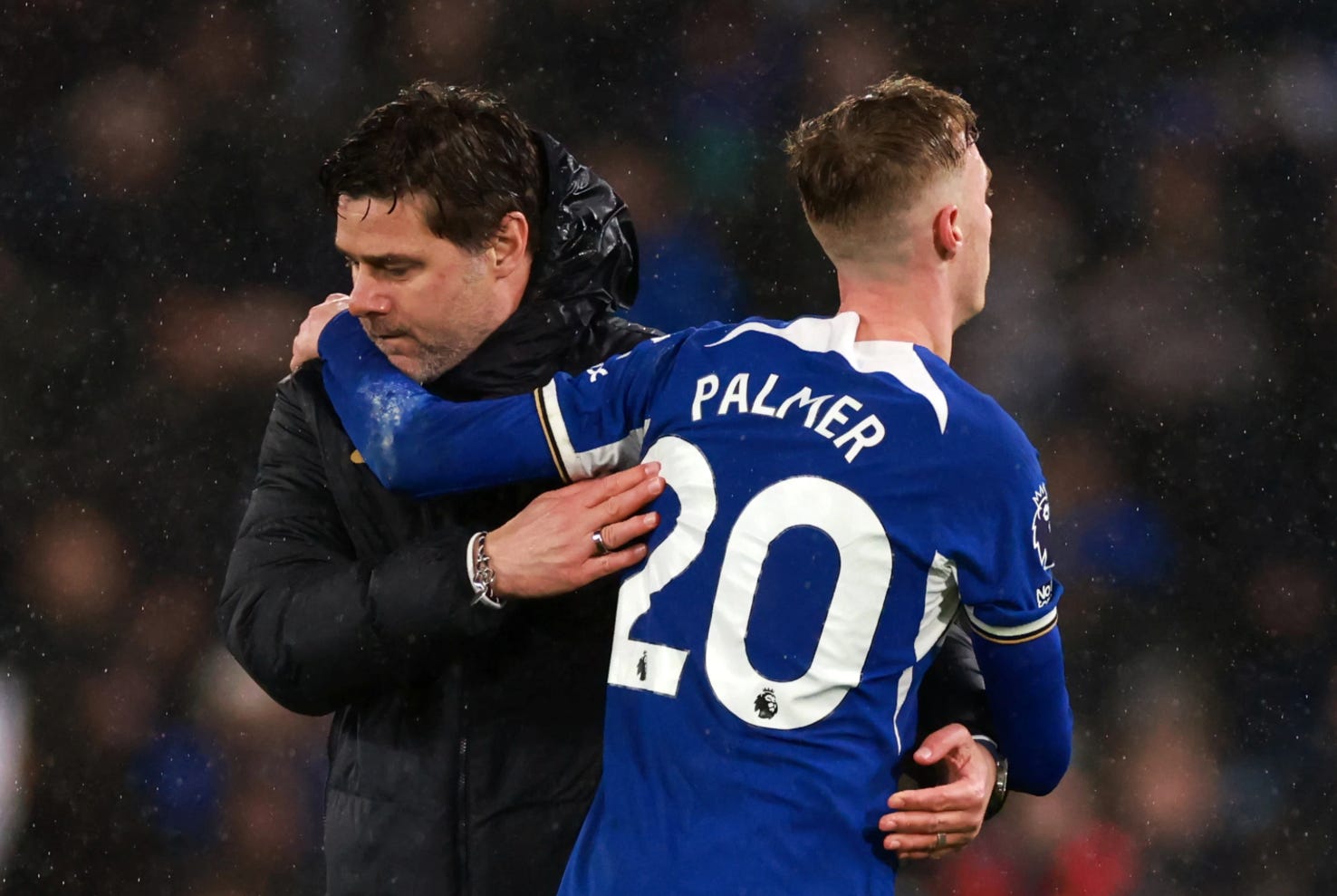
They created chances in the final third in a variety of ways: passes inside the box, line-breaking balls from both half-spaces and quick combinations in the zone 14. Crossing was a secondary option. That makes sense, given the attack was funnelled mainly through Cole Palmer, who created 25% of the team’s open-play xA and about 24% of the expected threat. Malo Gusto and Raheem Sterling hovered around 16-17% of the open-play xA on opposite flanks.
Set pieces and getting good shots after winning the ball high up the pitch weren’t areas where they excelled. Pochettino tried to press intensively, but winning the ball meant keeping possession and building up slowly with many passes before shooting.
Nicolas Jackson was the biggest goal threat, while Palmer and Sterling certainly contributed too.