


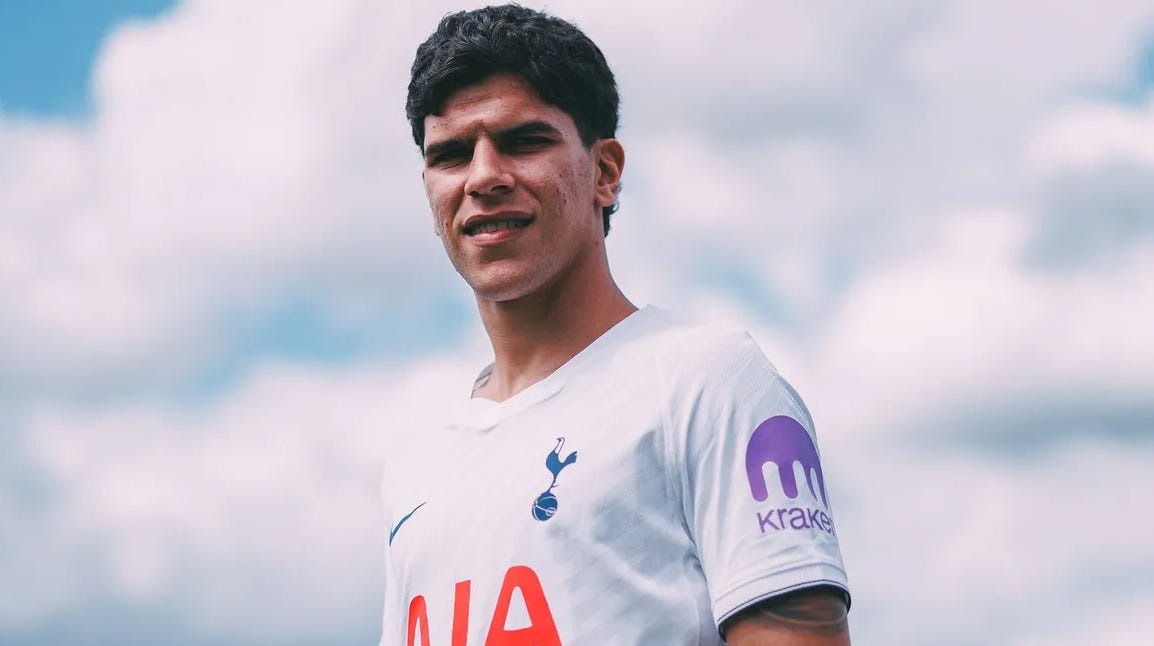
It’s always nice when the media, fans and experts talk positively about the team you’re supporting*.
*Except for those moments when PSR comes up for discussion, which isn’t even a topic, because Spurs have the lowest wages-to-revenue ratio in the Premier League. They bring in huge revenue each year from the Tottenham Hotspur Stadium, a strict wage structure from past years, and sponsorship deals. Nothing to see here. The huge spending won’t do any harm (if it’s done properly, but I’ll get to that later…)
And while it’s easy to get carried away when the bosses spend £185 million on signing two central midfielders, Mateus Fernandes and Sandro Tonali, whose arrivals undoubtedly address the biggest issue that last season’s Tottenham faced, there’s much more to the story.
A few days ago, I listened to a non-FPL podcast where a respected voice in the football industry said that these summer transfers made Tottenham Hotspur serious contenders for 3rd place, and I was like, 'WHOA, hold your horses, mate. Not yet. Not yet.‘
The rebuild is far from over. In this article, I’ll explain why.
At the same time, I have to admit that this looks very promising and makes sense:
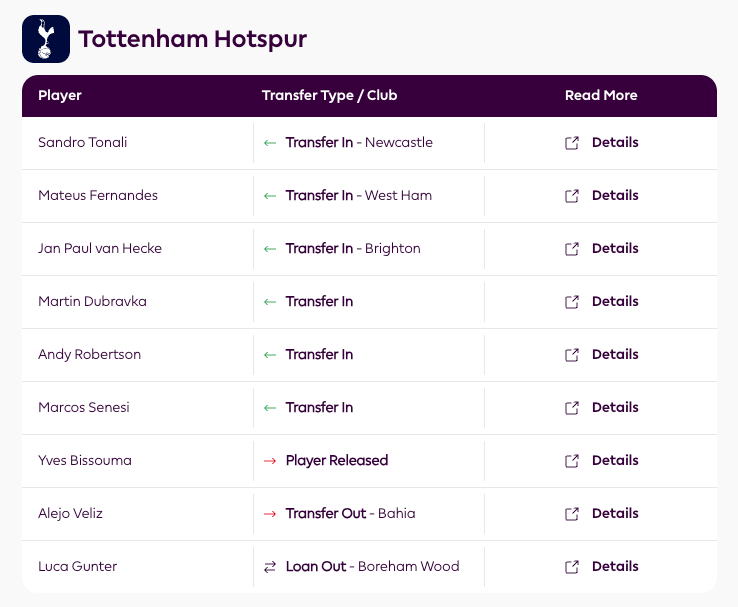
To properly understand the transfers of Fernandes and Tonali, we must delve into how Roberto De Zerbi’s teams play.
I’m not a tactico by any means, and I don’t like it when people use unnecessarily fancy, complicated language just to sound smarter on the X/Twitter timeline, so let me be brief and clear about that.
He saved Spurs in the Premier League even without his preferred midfield types
De Zerbi loves to play with the ball.
You see his teams have a lot of possession during the game, make many passes in one spell, and don’t rush their attacks.
It simply takes a long time before his players create a shot. That allows them to create chances against sturdy low blocks. It’s the opposite of a counter-attacking style, which, for example, Bournemouth or Brentford practice.
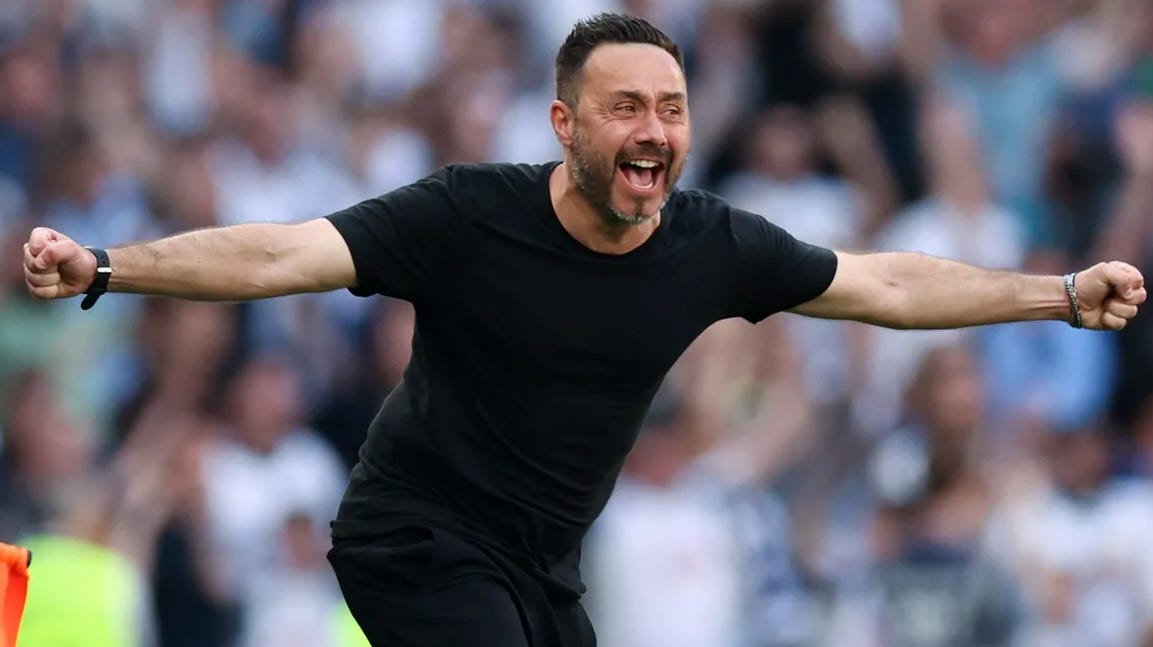
He also seeks to regain control quickly after defensive duels, instructing his players to stay compact (close to each other), maintain good spacing around the ball, and commit enough players to the duel to win second balls.
Simply put, if a team consistently wins those rebounds in its own defensive third and in the middle of the pitch, it often indicates good structure, intensity, and athleticism, as well as players who are great at anticipating where the ball will go.
And we saw that in Olympique Marseille regularly.
His other trademark is an intense press and counter-press. Again, it’s about winning the ball back quickly and returning to their attacking shape to put the opponent under sustained pressure.
To back this up with some numbers from his last full season, which was the 24/25 at Marseille:
5th highest PPDA (passes per defensive action)
3rd biggest share of won balls shortly after losing possession in the attacking half
2nd most passes per possession, just behind Paris Saint-Germain
the highest success rate in winning second balls in the defensive third
2nd-best success rate in winning second balls in the middle of the pitch
2nd-highest possession %, just behind PSG
You get the idea.
Now it’s crystal clear what type of players you need in the middle of the pitch to execute that playstyle.
Someone who can pass.
Someone who can run, win duels, and read the game.
Someone like Mateus Fernandes and Sandro Tonali.
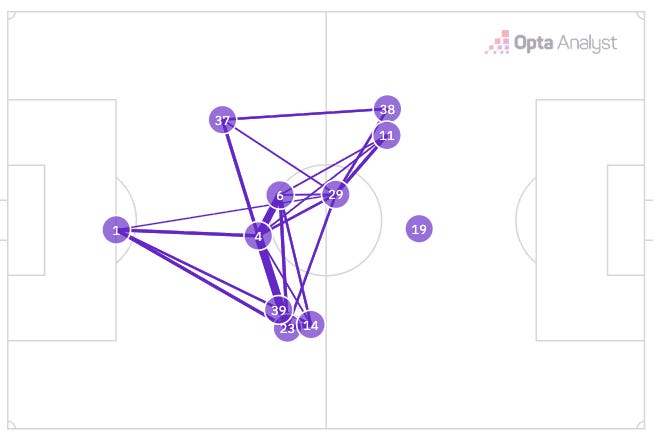
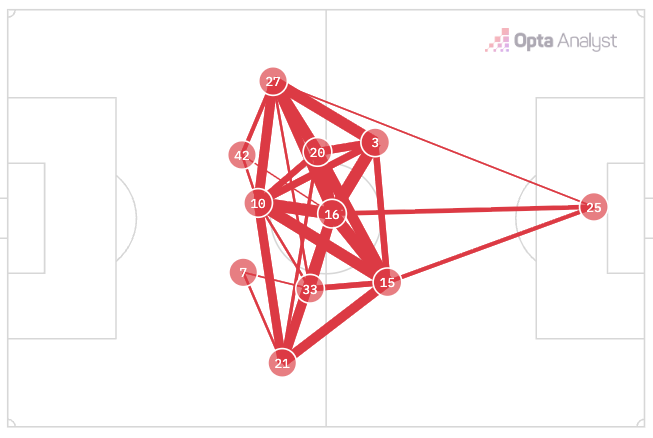
The Spurs’ biggest issue, which I hinted at at the beginning of the article, was that last season’s midfield lacked central progression.